

With “Dear Algo,” Threads lets you talk back to the algorithm
Every major social platform has an algorithm. Every major social platform’s algorithm frustrates its users. For years, the standard response from platforms has been some version of a shrug.
However, Threads did something different. It watched its users complain, noticed they had developed an informal workaround, and turned that workaround into an official feature.
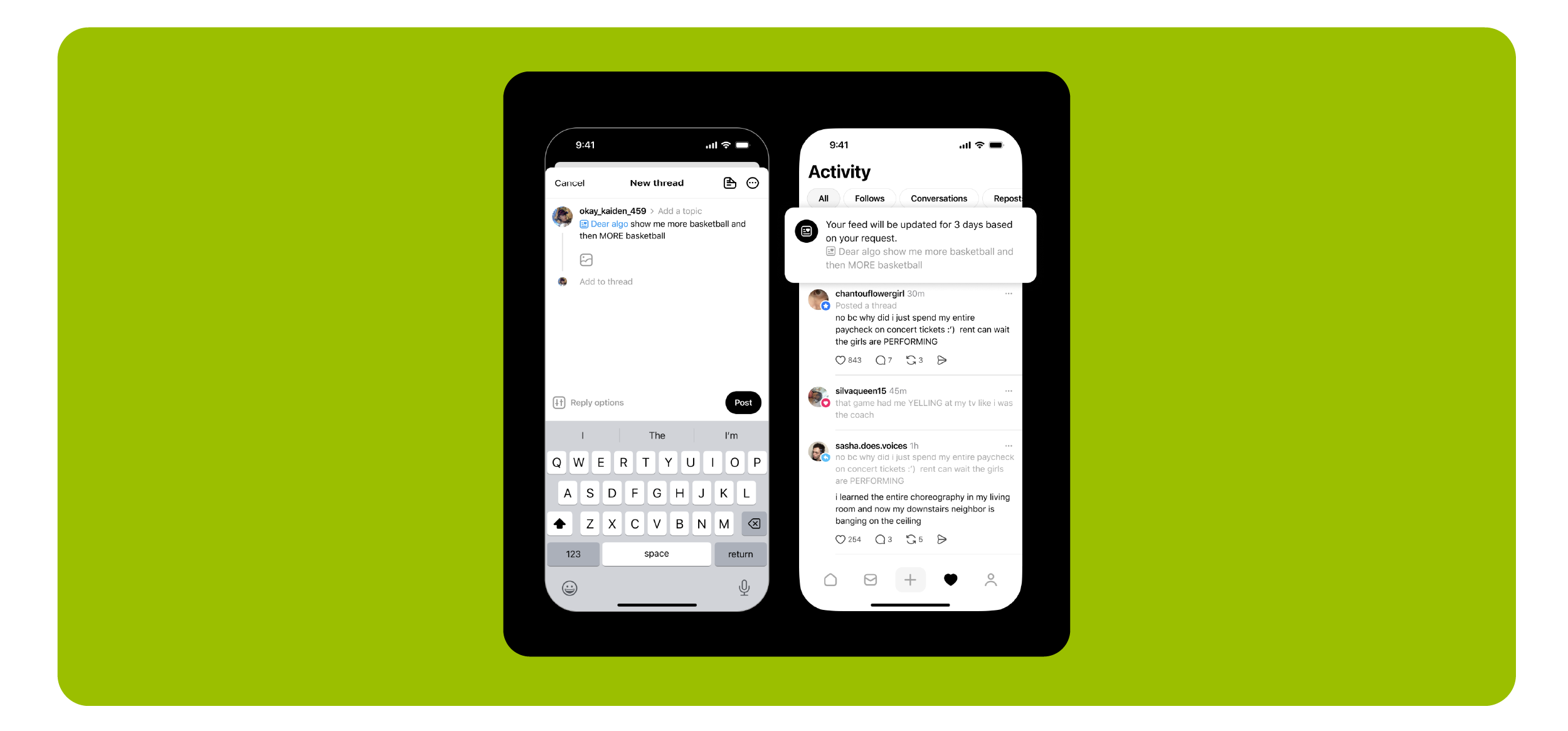
“Dear Algo,” Threads’ new AI-powered feed personalization feature, works exactly as its grassroots origin story suggests. Users write a public post beginning with “Dear Algo,” followed by what they want to see more or less of in their feed. The request takes effect for three days, giving users a short window to see how the change lands before deciding whether to lean into it longer-term through regular engagement.
Beyond the novelty, the design decision to make it public is rather interesting, as it means other users can see it, engage with it, and repost it to apply your preferences to their own feed. Meta frames this as turning personalization into a community experience, a small act of feed solidarity with strangers who apparently also want to watch things cook slowly.
The privacy tension is real, of course. Not everyone wants to publicly broadcast what they are trying to curate out of their lives. Someone trying to quietly reduce their exposure to a particular news cycle or topic may find the public-by-default mechanic uncomfortable, which makes it worth Meta carefully thinking about whether an optional private version of this feature would better serve users who want personalization without the disclosure.
Threads has spent two years trying to carve out a distinct identity in a crowded space and a real-time conversation territory that X has historically owned. The Dear Algo feature directly addresses that ambition, especially that your interest spikes and fades quickly, so a feed that can respond to that rhythm is more useful than one that catches up three weeks later through passive signal accumulation.
To learn more, click here.