

TikTok wants your attention earlier, longer, and louder
At its latest appearance at the IAB NewFronts, TikTok rolled out a suite of advertising updates that suggests the future of advertising may hinge less on persuasion and more on presence, less on subtlety and more on timing so precise that it borders on inevitability.
What emerges from these updates is a platform increasingly focused on securing the earliest possible moment of attention and extending that moment just long enough to leave an imprint, shaping a model where exposure is engineered with a level of intentionality that begins to resemble stagecraft.
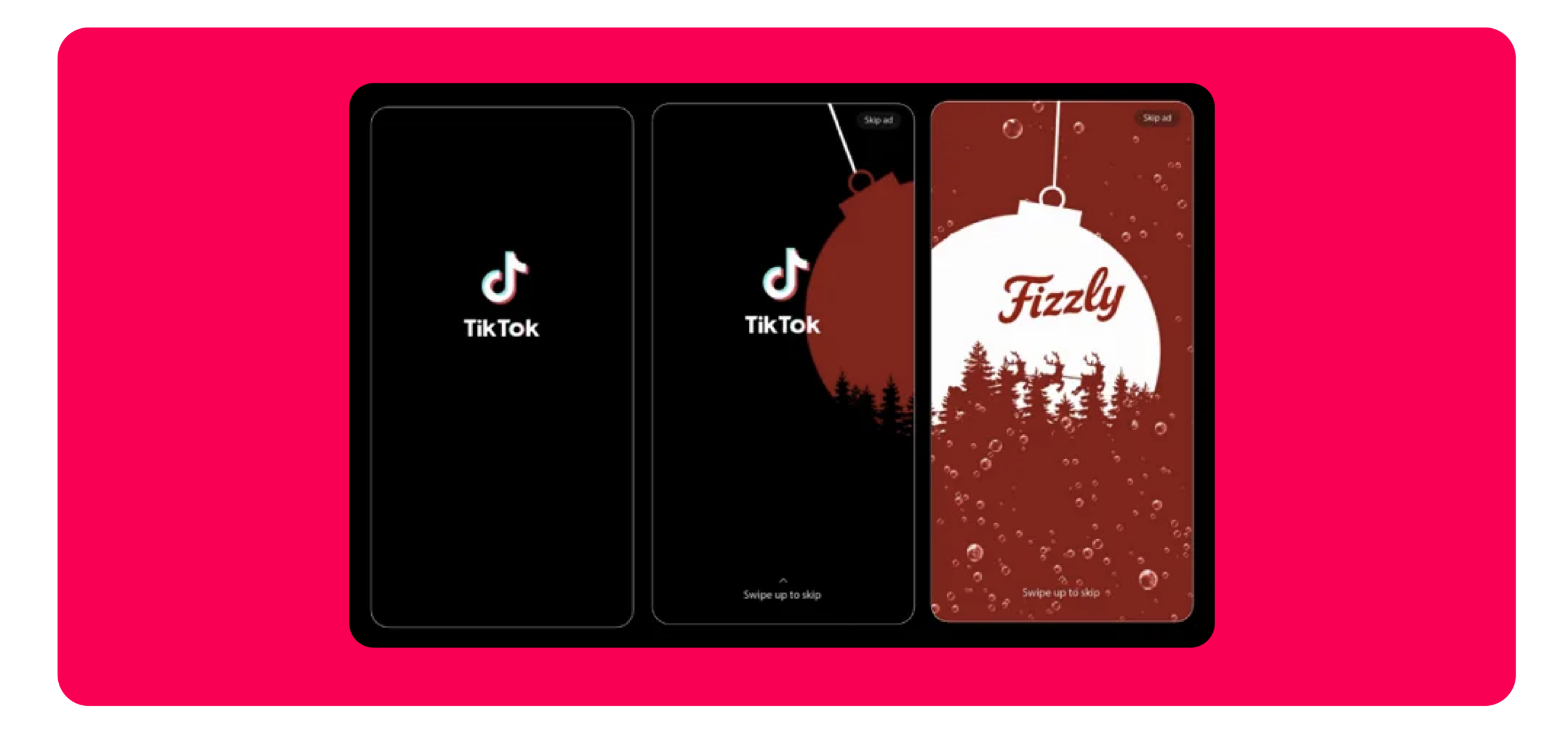
The introduction of Logo Takeover offers perhaps the clearest expression of this philosophy, granting brands the ability to appear at the exact instant a user opens the app, co-branded alongside TikTok’s own identity, as though the platform itself were briefly lending its voice, authority, and cultural weight to the message at hand.
As with Prime Time, TikTok turns its attention from the first second to the next fifteen minutes, introducing a format that allows advertisers to deliver a sequence of up to three ads to the same user within a tightly defined window, effectively transforming fleeting attention into a short-form narrative arc. Now for TopReach, which combines the high-impact placements of TopView and TopFeed, extends this logic into a different dimension, offering brands the opportunity to dominate a single day’s visibility by occupying both the first impression upon opening the app and the first impression within the feed itself, effectively framing the user’s experience from the outset.
Beyond visibility, TikTok continues to refine its approach to contextual relevance through the expansion of its Pulse suite, a system designed to place ads alongside content that already commands attention, specifically within the top-performing tier of videos on the platform.
Together, these tools suggest a model where context carries as much weight as content, the surrounding conversation enhances the message, and placement becomes a form of participation rather than interruption.
To learn more, click here.