

X introduces a new standalone chat app
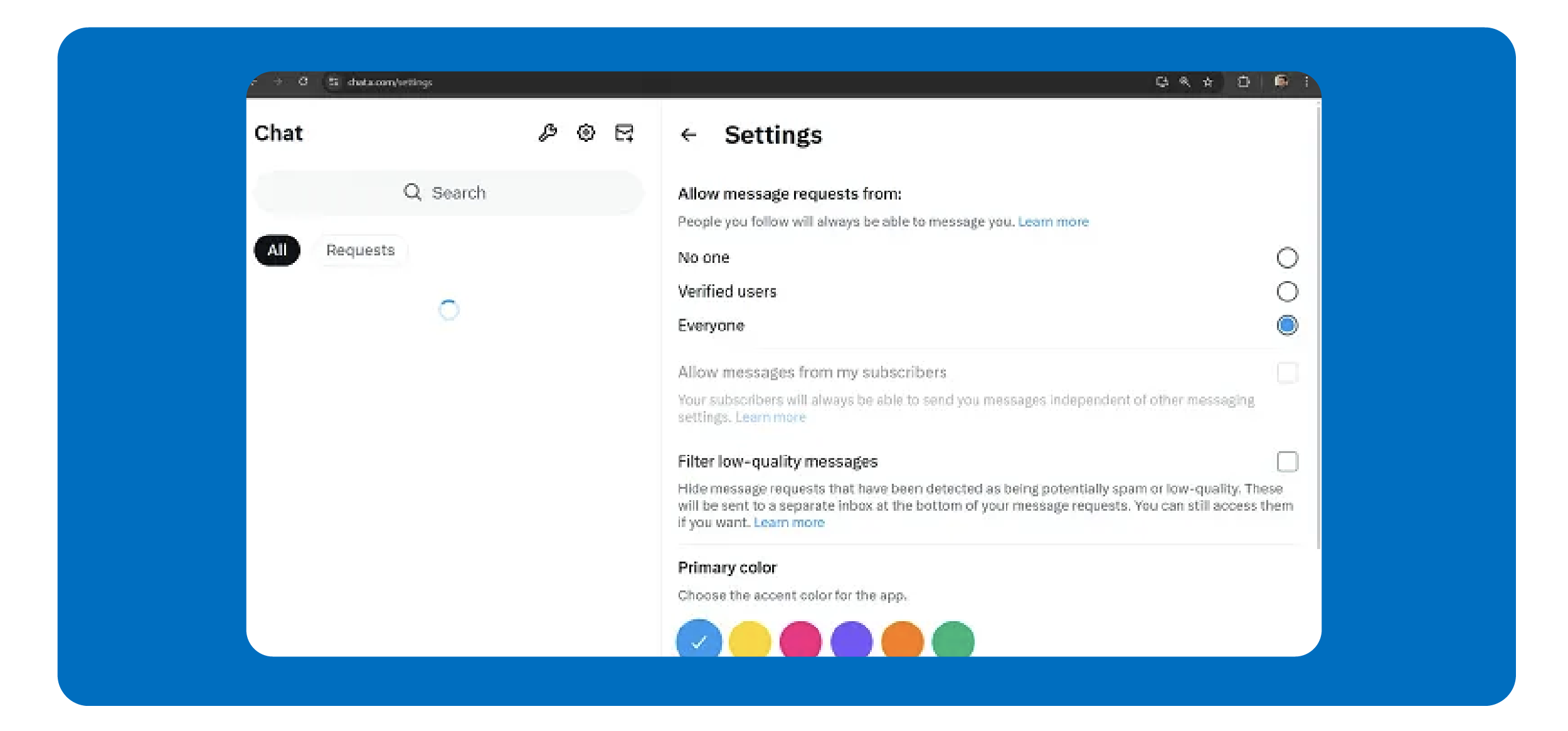
X launched a standalone chat app in pursuit of Elon Musk’s “everything app” fantasy.
The platform wants to become so omnipresent you never need to leave at all.
Now let’s address the elephant in the room – or should I say – the panda? Western tech executives have been fantasizing about recreating WeChat‘s success since approximately 2015. Meta tried it. Now X is trying it too.
X’s plan also involves adding encrypted DMs, implementing payment systems, and somehow convincing people that the platform that can barely keep the lights on should also hold their money. Strip away the corporate speak, this move screams X wants to control everything you do.
However, WeChat succeeded because of specific cultural, economic, and governmental conditions that don’t exist in the West. Acknowledging this would be acknowledging that perhaps throwing encryption and payment processing at a problem isn’t always the answer. Trust is the foundation of any payment system, and Elon Musk’s public trust has dwindled significantly since he took over X. The platform has struggled with content moderation, misinformation, and even basic stability. All that, and we’re supposed to trust it with financial transactions?
As you may have noticed, this week’s news isn’t really about links or chat apps or payment systems. It’s about an industry in the midst of a profound identity crisis, led by people who seem increasingly disconnected from how humans actually use the internet.
The verdict is that users don’t want a super app. They want apps that do specific things well. They want the freedom to move between platforms based on what serves their needs in the moment. They want to share information freely without hitting paywalls or algorithmic penalties.
To learn more, click here.